Dual Wall Pour Over Systems: No More Temperature Surprises
By Maya Patel • 19th Nov
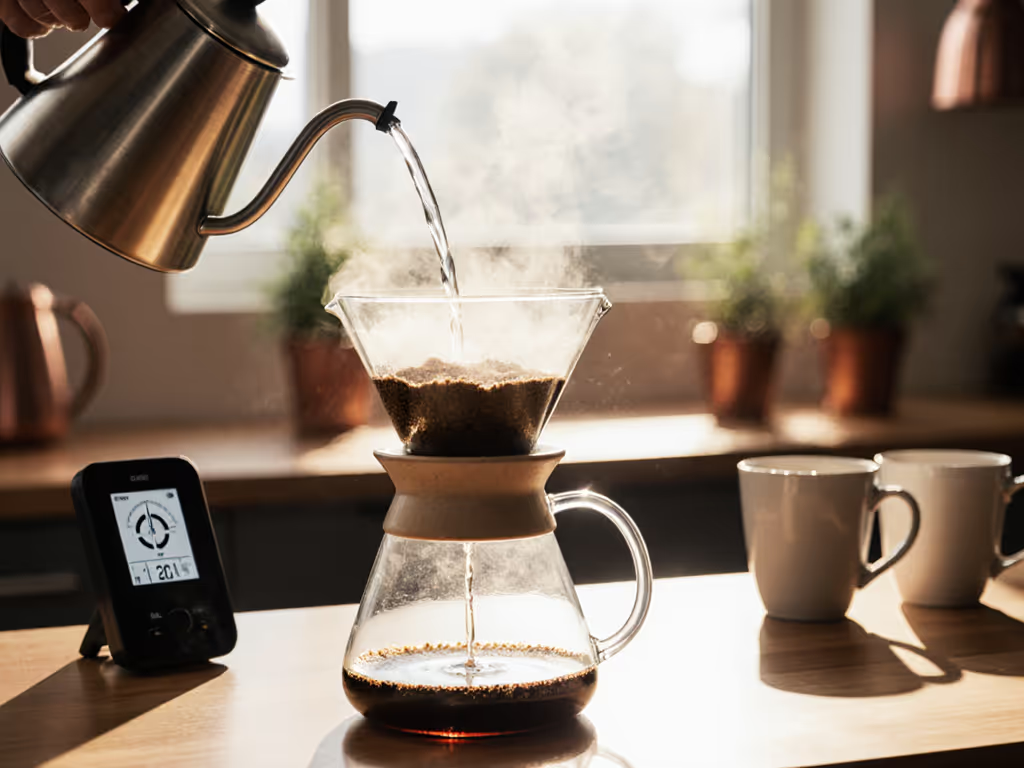
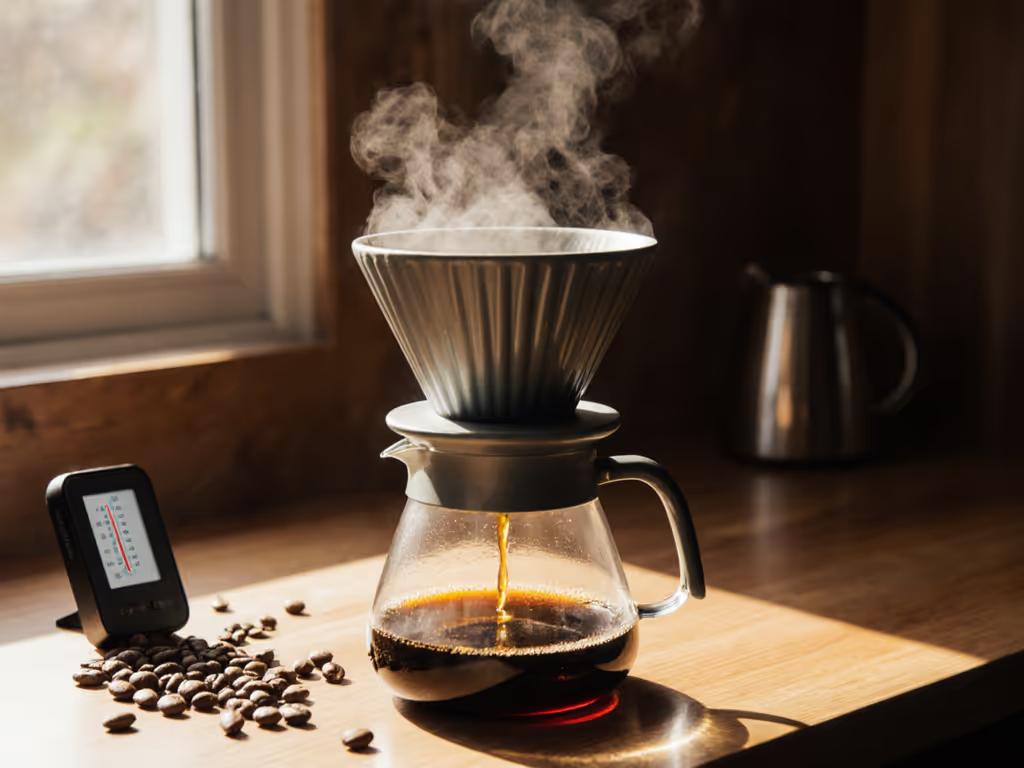
If your morning pour-over tastes different every time, sometimes bright and sweet, other times flat or bitter, you're not alone. The culprit often hides in plain sight: temperature-stable pour over isn't just a buzzword. It's the missing link for consistency, especially when using everyday gear like tap water and mid-tier grinders. Dual wall pour over systems solve this silently, letting your technique shine without expensive gadgets. Let's unpack how this simple innovation creates calm, reliable mornings, one small change at a time.
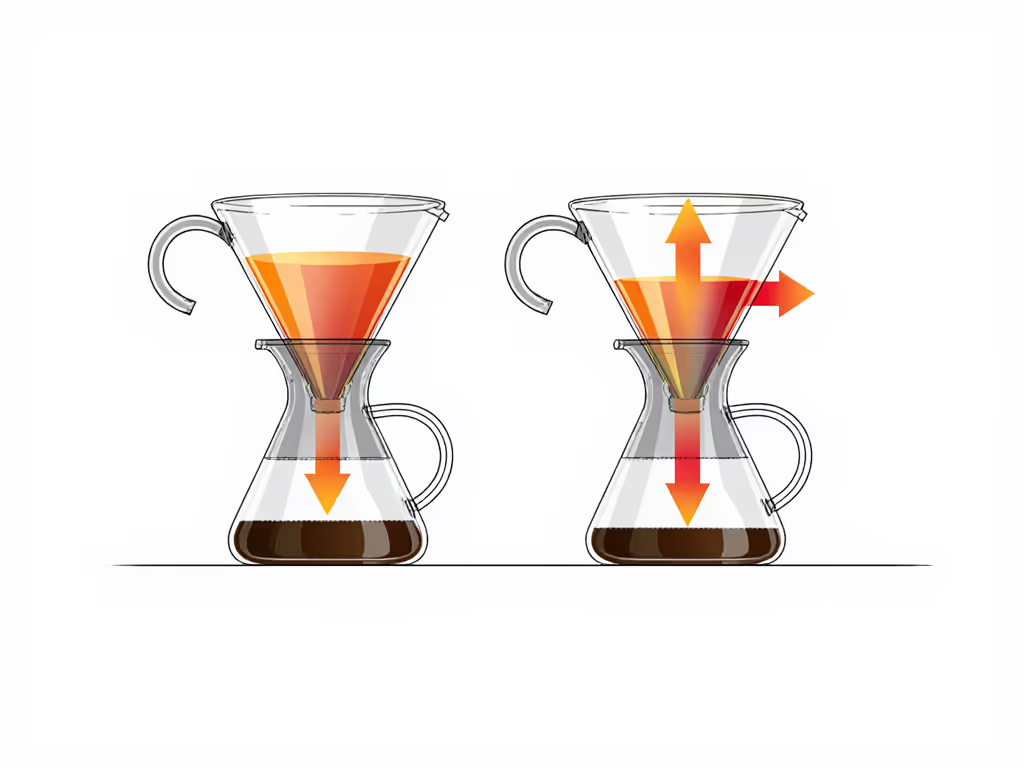
Why Does My Pour-Over Taste Inconsistent Day-to-Day?
Imagine this: You nail your recipe on Tuesday. Wednesday's cup tastes hollow. Same beans, same grind, same water. What changed? Heat loss during brewing. Single-wall cones (ceramic, glass, even plastic) act like radiators, sucking heat from your slurry the second hot water touches them. A porcelain V60 can drop water temperature by 20°F in the first 30 seconds, enough to stall extraction and mute sweetness. Your grinder's limitations or water hardness might amplify this, but temperature instability is the silent saboteur. If your tap tastes off or varies seasonally, learn how to fix it in our water quality guide. The good news? You don't need lab-grade equipment to fix it. Just better control.
How Do Dual Wall Pour Over Systems Actually Work?
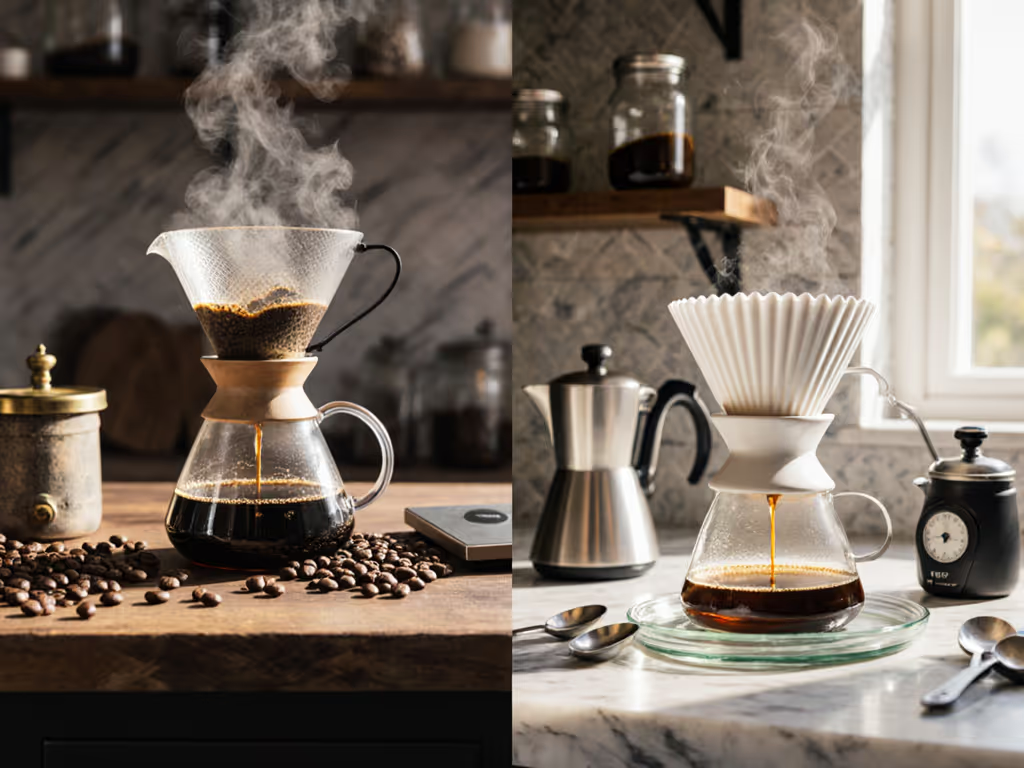
Think of a travel mug versus a ceramic coffee cup. The double wall creates an air gap (like a cozy blanket) that traps heat in the brewing chamber instead of bleeding it into your counter. Unlike insulated carafes (which keep finished coffee hot), dual wall pour over systems stabilize the entire extraction process. Here's why this matters for your brew:
- No heat stealers: Glass or ceramic walls won't leach heat when separated from the slurry by vacuum or air
- Even extraction: Stable temps let sugars and acids dissolve uniformly (no sour highs or bitter lows)
- Forgiving timing: Rush your pour? The buffer gives you seconds to correct flow without crashing the temp
A Barista Hustle lab test proved it: A double-wall glass brewer outperformed plastic cones (once the "gold standard") by maintaining near-ideal temps from first pour to last drop. That's dual wall brewing science translating to sweeter, clearer cups, with your existing kettle.
"But I Already Use a Gooseneck Kettle, Isn't That Enough?"
A precise kettle helps, but it's only half the battle. If you're shopping, compare pour control and heat accuracy in our gooseneck kettle tests. If your dripper steals heat mid-brew, even perfect pouring can't salvage stalled extraction. Temperature stable pour over starts where the water lands. I saw this firsthand at a neighborhood library workshop: attendees using tap water and hand-crank grinders tasted instant improvement when we swapped single-wall cones for double-wall ones. No fancy recipes, just rinsed filters, steady pours, and heat retention pour over doing the heavy lifting. One participant whispered, "That's the sweetness I've been chasing!" That's when beginners realize: control beats gadgets, every single time.
What Are the Real Dual Wall Pour Over Benefits for Home Brewers?
Forget hype. Here's what dual wall pour over systems deliver for your weekday reality:
- ✅ Consistency with tap water: Hard water minerals amplify temp swings; insulation minimizes their impact
- ✅ Forgiving for mid-tier grinders: Uneven particle distribution? Stable temps reduce channeling risks
- ✅ No ritual overhaul: Works with #2 filters, standard kettles, and your current grind size
- ✅ Less bean waste: Fewer "oops" brews during dialing-in (critical with $25/bag beans)
This isn't about chasing barista scores. It's about brewing your favorite medium roast on a Tuesday morning and tasting the same balanced cup Wednesday through Sunday. For travelers or office brewers, compact double-wall kits (like some portable setups) also resist unknown water temps, no more weak hotel coffee. Check our portable pour-over picks that keep quality high on the road.
"Is This Just for Fancy Gear Snobs?"
Absolutely not. Dual wall pour over benefits shine brightest for beginners and busy professionals, not lab-coat enthusiasts. Remember those conflicting online recipes that assume perfect water or $500 grinders? Temperature stability simplifies everything. Suddenly, your tap water's quirks matter less. Your OXO grinder's inconsistencies become manageable. You'll taste changes from your adjustments (grind size, bloom time), not random heat loss. This is heat retention pour over as a force multiplier for your skill, not a replacement for it.
How Do I Start Without Buying Anything New?
Start where you are; one variable, one win, then another.
Already using a single-wall dripper? Try these free tweaks first:
- Pre-heat thoroughly: Rinse your cone and carafe with boiling water, then wait 60 seconds before brewing
- Use less water in bloom: A smaller bloom (2x coffee weight) reduces initial heat loss
- Brew faster: Target a 2:00-2:30 total time (slower pours = more cooling)
If sweetness still hides, consider a double-wall dripper. But don't overthink it! Many reliable options exist under $35. Start with our best under $50 pour-over makers to find a budget-friendly double-wall option. The key is matching it to your workflow, not chasing specs. (Pro tip: Avoid anything requiring proprietary filters if yours are hard to find.)
Your Next Small Win
Temperature stability isn't magic. It's physics working for you, not against you. When heat stays where it belongs (in your slurry), you'll taste clarity emerge from the same beans that once baffled you. That library workshop epiphany? It happens daily in kitchens worldwide: one small change, noticeably better. No PhD required. Just your hands, your water, and one less variable to fear.
Ready to brew with quiet confidence? Pick one thing from above: pre-heat longer, try a faster pour, or test a double-wall cone. Taste the difference. Then come back and tell me what sweetness you found. Your perfect cup isn't hiding in expensive gear. It's waiting in the next small step you take.
Related Articles
Brewer & Gear Comparisons
Smart Pour Over Systems: Consistent Coffee Made Measurable
26th Nov•6 min read
Brewer & Gear Comparisons
Metal Pour Over Filter Systems Compared: Data-Driven Review
25th Nov•8 min read